Total Security and Compliance for Centralized Exchanges
Protect your exchange at every level: Vet new listings, monitor core assets, and ensure global compliance.
Screen all incoming and outgoing transactions against high-risk categories, including: terrorism financing, human trafficking, pig butchering, child abuse, and known hacker addresses.
Ensure compliance with FATF standards across the U.S., Europe, Hong Kong SAR, and 27+ global jurisdictions.
Vet projects for listing and investment by conducting rigorous code audits.
Protect your users and reputation by identifying vulnerabilities in advance.
Get real-time monitoring for all your Safe{wallet} multi-sig treasuries.
Detect suspicious transactions and get alerted before they are signed and executed.
Understand the methods behind any exploit that affect your listed assets without delay.
Gain actionable intelligence to strengthen security and inform your community.
Secure Exchange Operations and User Assets
“We are big fans of BlockSec and have been deeply involved from the inception of BlockSec to the use of each of its products. Phalcon is a very good security tool, to help Bybit achieve on-chain tracking and web3 contract security monitoring. We will have more cooperation with BlockSec in the future.”

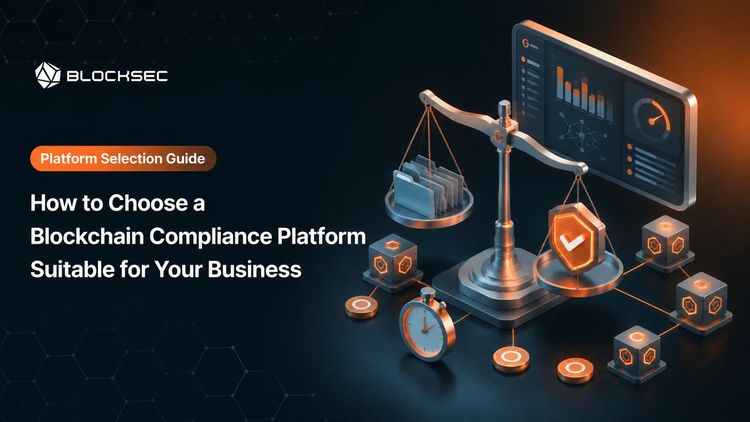
How to Choose a Blockchain Compliance Platform Suitable for Your Business
For every 10,000 USDT moving on-chain, roughly 13 USDT are tainted. The platform you choose decides whether that contamination touches your books.
Crypto Compliance Software Guide: Technical Frameworks & Top Tools
FATF, MiCA, OFAC—three regulators, one question every VASP must answer: is your compliance stack built for the next audit, or the last one?
Crypto Compliance Tools: A Practical Guide for Web3 and TradFi Integration
Regulators levied $4.2B in penalties in 2024 alone. For Web3 and TradFi teams, choosing the right compliance stack is no longer optional.
For 500+ clients, from Web3 leaders to global regulators